 PhrasePort
🇮🇹 Italian phrases
How to Order Food in Italian: Coperto, Courses and Coffee Rules
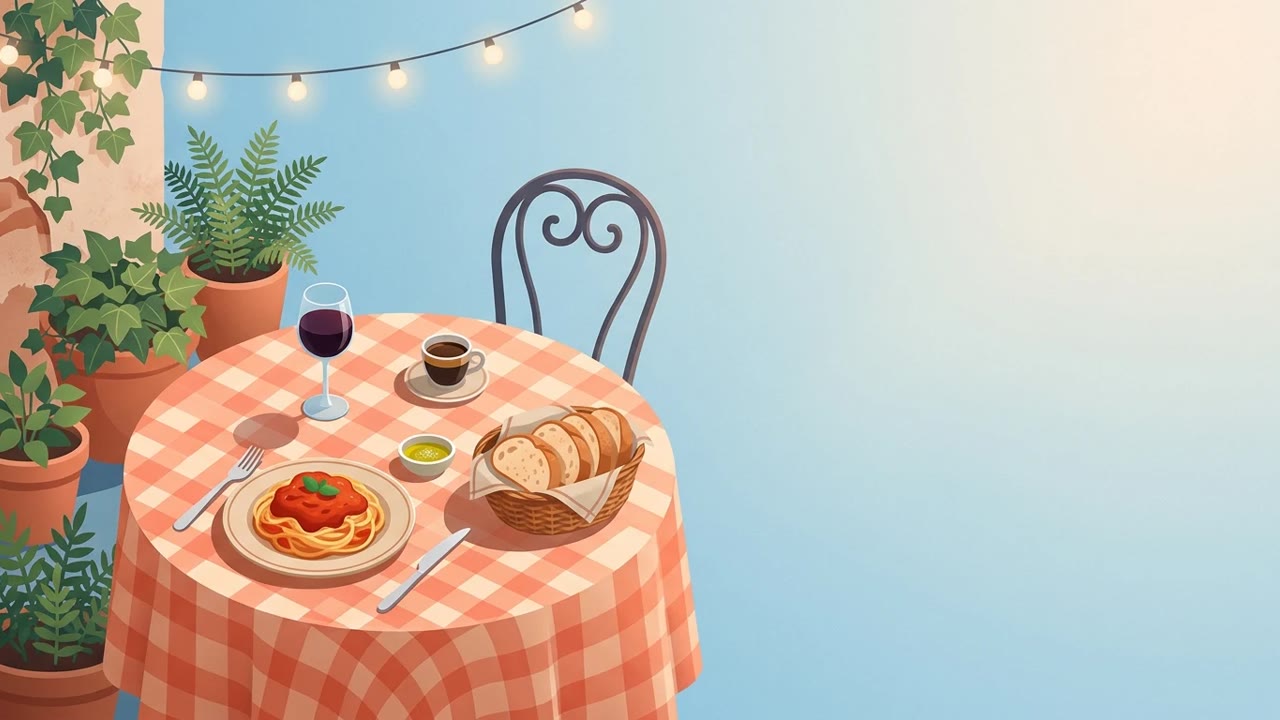
The words you need most are “Vorrei…” (I would like…), “Per favore” (please) and “Il conto, per favore” (the bill, please). Italian restaurants have their own rhythm: courses, a cover charge, and a bill that only arrives when you ask. This guide gives you the phrases, with audio, and explains how it all works.
- I would like...Vorrei...vor-REH-eePolite and natural. Never say "Voglio" (I want), which sounds blunt.
- Do you have a menu in English?Avete un menu in inglese?ah-VEH-teh oon meh-NOO een een-GLEH-zehMost tourist-area restaurants have one.
- Water, pleaseAcqua, per favoreAH-kwah per fah-VOH-reh
- The bill, pleaseIl conto, per favoreeel KOHN-toh per fah-VOH-rehThe bill does not come until you ask.
- PleasePer favoreper fah-VOH-rehAdd it to every request.
How eating out in Italy works
- Courses. A full meal is antipasto (starter), primo (pasta, rice or soup), secondo (meat or fish), contorno (side dish) and dolce (dessert). You do not have to order all of them.
- Coperto. A small cover charge per person. It is on the bill and is not a tip.
- The bill. It will not arrive on its own. Ask for it, and expect to pay at the table.
- Tipping. Not expected. If service was included (servizio incluso) you do not need to add anything.
- Timing. Lunch is usually from about 12:30 to 2:30 and dinner from about 7:30. Many kitchens close in the afternoon.
- Greeting. Say “Buongiorno” or “Buonasera” when you enter. It is polite and expected.
- Bar, trattoria, ristorante. A bar serves coffee, pastries and snacks. A trattoria or osteria is a casual, often family-run restaurant. A ristorante is usually more formal.
Getting a table
- A table for two, pleaseUn tavolo per due, per favoreoon TAH-voh-loh pehr DOO-eh pehr fah-VOH-reh
- Do you have a table available?Avete un tavolo disponibile?ah-veh-teh oon TAH-voh-loh dees-poh-NEE-bee-leh
- I have a reservation for twoHo una prenotazione per due personeoh oo-nah preh-noh-taht-see-OH-neh pehr DOO-eh pehr-SOH-nehChange "due" (two) to another number: "tre" for three, "quattro" for four.
- How long is the wait?Quanto dura l'attesa?KWAHN-toh DOO-rah lah-TEH-zah
Ordering
You can order what you like, in any order. A waiter may ask whether you want to start with a primo.
- What do you recommend?Cosa mi consiglia?KOH-zah mee kohn-SEE-lyahA good way to get the house speciality.
- What is the dish of the day?Qual è il piatto del giorno?kwahl eh eel PYAHT-toh dehl JOR-noh
- Do you have a set menu?Avete un menù fisso?ah-veh-teh oon meh-NOO FEES-sohA fixed-price menu. Not every place has one.
- What does this come with?Cosa include?KAW-zah eenk-LOO-deh
- For me, the carbonara, pleasePer me la carbonara, per favorepehr meh lah kar-boh-NAH-rah pehr fah-VOH-rehReplace the dish with whatever you want. "Per me..." means "For me...".
- Can I get this to go?Posso averlo da asporto?PAWS-soh ah-VEHR-loh dah ahs-PAWR-toh
Drinks and coffee
Water usually comes in a bottle. Ask for naturale (still) or frizzante (sparkling). House wine (vino della casa) is a good, cheap choice.
- Still water, pleaseAcqua naturale, per favoreAH-kwah nah-too-RAH-leh pehr fah-VOH-reh
- Sparkling water, pleaseAcqua frizzante, per favoreAH-kwah freed-DZAHN-teh pehr fah-VOH-reh
- A glass of house wine, pleaseUn bicchiere di vino della casa, per favoreoon beek-KYEH-reh dee VEE-noh DEHL-lah KAH-zah pehr fah-VOH-reh
- A coffee, pleaseUn caffè, per favoreoon kaf-FEH per fah-VOH-reh"Un caffè" is an espresso. There is no need to say "espresso".
- A cappuccino, pleaseUn cappuccino, per favoreoon kahp-poot-CHEE-noh pehr fah-VOH-rehItalians usually drink it only in the morning, not after a meal.
At a bar, you often pay at the cash register first, then give the receipt (lo scontrino) to the barista. Coffee is cheaper standing at the counter (al banco) than sitting at a table (al tavolo).
Dietary needs and allergies
Italy is very aware of coeliac disease, and many restaurants offer gluten-free pasta and pizza (senza glutine). In the EU, restaurants must be able to tell you which of the 14 listed allergens a dish contains if you ask.
- I am vegetarianSono vegetariano/aSOH-noh veh-jeh-tah-ree-AH-nohUse "vegetariana" if you are a woman.
- Is this dish vegetarian?Questo piatto è vegetariano?kwehs-toh PYAH-toh eh veh-jeh-tah-ree-AH-noh
- I am coeliac (I cannot eat gluten)Sono celiaco/aSOH-noh cheh-LEE-ah-koh / cheh-LEE-ah-kah
- Is this gluten-free?È senza glutine?eh sehnt-sah GLOO-tee-neh
- I'm allergic to peanutsSono allergico alle arachidisoh-noh ahl-LEHR-jee-koh ahl-leh ah-RAH-kee-dihUse "allergica" if you are a woman.
- I'm allergic to dairySono allergico ai latticinisoh-noh ahl-LEHR-jee-koh ahy lah-tee-CHEE-nihUse "allergica" if you are a woman.
Paying and leaving
Ask for the bill when you are ready. Check whether the coperto and servizio are on it. Most places take cards, but small ones may prefer cash.
- Can we split the bill?Possiamo dividere il conto?pohss-YAH-moh dee-VEE-deh-reh eel KOHN-tohItalians often say "Facciamo alla romana", meaning split it equally.
- Let us split it equallyFacciamo alla romanafah-CHAH-moh AHL-lah roh-MAH-nah
- Can I pay by card?Posso pagare con la carta?POS-soh pah-GAH-reh kon lah KAR-tahAsk before you order in a small place.
- That was delicious!Era tutto buonissimo!EH-rah TOOT-toh bwoh-NEES-see-mohA warm thank-you for the meal.
- DeliciousDeliziosodeh-lee-tsee-OH-zohShort and sweet. "Buonissimo" is more common.
A short scene: dinner for two
- WaiterBuonasera! Quanti siete?bwoh-nah-SEH-rah KWAHN-tee SYEH-tehGood evening! How many are you?
- YouSiamo in due.SYAH-moh een DOO-ehThere are two of us.
- WaiterPrego, si accomodi.PREH-goh see ahk-KOH-moh-deePlease, sit down.
- YouPer me la carbonara, e acqua frizzante, per favore.pehr meh lah kar-boh-NAH-rah eh AH-kwah freed-DZAHN-teh pehr fah-VOH-rehFor me the carbonara, and sparkling water, please.
- WaiterVa bene. Altro?vah BEH-neh AHL-trohFine. Anything else?
- YouNo, grazie. Il conto, per favore.noh GRAH-tsyeh eel KOHN-toh pehr fah-VOH-rehNo, thank you. The bill, please.
Common mistakes
- Saying “Voglio” (I want). It sounds rude. Say “Vorrei” (I would like).
- Ordering a cappuccino after dinner. It is a morning drink for most Italians. Order an espresso instead.
- Waiting for the bill. It will not come until you ask.
- Being surprised by the coperto. It is normal, and it is not a tip.
- Forgetting to greet. Say “Buongiorno” or “Buonasera” when you walk in.
For the rest of the phrases you will need on a trip, see our Italian phrases for travel. Two small ones that come up at every meal are where the bathroom is and how much something costs.
Questions travelers ask
Do I need to tip in Italy?
No. Tipping is not expected. Many restaurants add a small cover charge (coperto) per person, and some add a service charge (servizio), so check the bill. For good service, people round up or leave a few euros on the table, but it is a gesture and not a rule.
What is the coperto?
The coperto is a cover charge for each person at the table, covering bread and the table setting. It is normally a couple of euros and is listed on the menu or the bill. It is legal and not a trick, and it is separate from a tip.
Do I have to order every course?
No. A traditional meal has antipasto, primo, secondo, contorno and dolce, but most people order two or three things. A primo and a dessert, or a pizza and a drink, is completely normal.
Why is a coffee cheaper at the bar counter?
In most Italian cafes (called bars) the price is lower if you drink your coffee standing at the counter (al banco) than if you sit at a table (al tavolo). Pay at the cash register first and show the receipt to the barista.
More guides
 🇮🇹 ItalianHow Much Is It in Italian? Euros, Tax Refunds and PayingHow to ask how much something costs in Italian, with audio, plus numbers for prices, VAT and tax-free shopping, cash and cards, and shopping customs.November 12, 2026 · 4 min read
 🇮🇹 ItalianHow to Say Hello in Italian: Buongiorno, Ciao and Tu or LeiHow to say hello in Italian, with audio and pronunciation: ciao, buongiorno, buonasera, goodbye, thank you, introductions and the tu and Lei difference.November 12, 2026 · 4 min read
 🇮🇹 ItalianItalian Emergency Phrases: Calling 112, Theft and PharmaciesItalian emergency phrases with audio: how to call the police and an ambulance, report a theft or a lost passport, find a doctor or pharmacy and ask for help.November 12, 2026 · 5 min read