 PhrasePort
🇪🇸 Spanish phrases
Spanish Phrases for Travel: 40+ Essentials for Your Trip
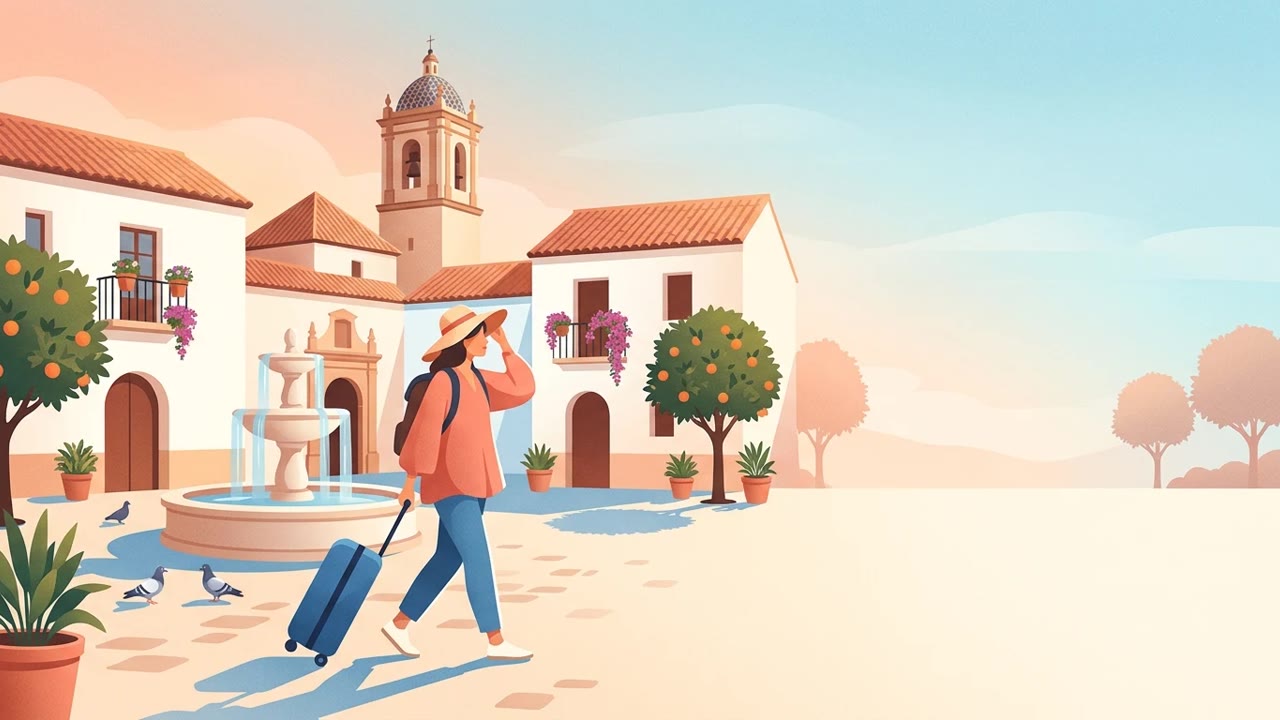
Spanish is spoken in Spain, Mexico and most of Latin America, and a few phrases go a long way, because people appreciate any effort. Vocabulary and some words differ between countries, but the phrases below are understood everywhere. The key phrases are “Gracias” (Thank you), “Perdón” (Excuse me) and “¿Dónde está el baño?” (Where is the bathroom).
- Thank youGraciasGRAH-see-ahs
- Excuse mePerdónper-DOHN
- I don't understandNo entiendonoh en-tee-EN-doh
- Where is the bathroom?¿Dónde está el baño?DOHN-deh es-TAH el BAH-nyoh
- How much does this cost?¿Cuánto cuesta esto?KWAN-toh KWES-tah ES-toh
What to know before you go
- Two ways to say “you”. Use usted (formal) with strangers, older people and staff, and tú with friends and young people. In much of Latin America, ustedes is used for “you all”.
- Greet when you enter. Say buenos días, buenas tardes or buenas noches when you walk into a shop, bar or lift.
- Accents differ. Spain, Mexico, Argentina and Colombia all sound a little different. Everyone understands standard Spanish.
- Meal times differ. In Spain lunch is often around 2 pm and dinner after 9 pm. In Mexico it is slightly earlier.
Greetings and politeness
- Good morningBuenos díasBWEH-nohs DEE-ahs
- Good eveningBuenas tardesBWEH-nahs TAR-dehs
- HelloHolaOH-lah
- Nice to meet youMucho gustoMOO-choh GOOS-toh
- PleasePor favorpor fah-VOR
- YesSísee
When you do not understand
- Do you speak English?¿Habla inglés?AH-blah een-GLEHS
- Can you speak slowly, please?¿Puede hablar despacio, por favor?PWEH-deh ah-BLAR des-PAH-see-oh por fah-VOR
- Pardon?¿Perdón?pehr-DOHN
- I don't speak the languageNo hablo españolNOH AHB-loh ehs-pah-NYOHL
Getting around
Trains, taxis and directions.
- Where is the train station?¿Dónde está la estación de tren?DOHN-deh es-TAH lah es-tah-see-OHN deh trehn
- One ticket, pleaseUn billete, por favoroon bee-YEH-teh por fah-VOR
- Which platform does this train leave from?¿Desde qué andén sale este tren?dehs-theh KEH ahn-DEHN SAH-leh EHS-teh TREHN
- Do I need to change trains?¿Necesito cambiar de tren?neh-theh-SEE-toh kahmb-YAHR theh TREHN
- What's the next stop?¿Cuál es la siguiente parada?KWAHL EHS lah seegh-YEHN-teh pah-RAH-thah
- I would like a taxiQuisiera un taxikee-see-EH-rah oon TAHK-see
- Turn leftGire a la izquierdaKHEE-reh ah lah eeth-KYEHR-dah
- Turn rightGire a la derechaKHEE-reh ah lah deh-REH-chah
- Go straightSiga derechoSEE-gah deh-REH-choh
- Can you show me on the map?¿Puede indicármelo en el mapa?PWEH-deh een-dee-KAHR-meh-loh ehn ehl MAH-pah
Eating and drinking
- I would like...Quisiera...kee-see-EH-rah
- Do you have a menu in English?¿Tiene un menú en inglés?tee-EH-neh oon meh-NOO en een-GLEHS
- Water, pleaseAgua, por favorAH-gwah por fah-VOR
- I am vegetarianSigo una dieta vegetarianaSEE-goh OO-nah DYEH-tah beh-kheh-tah-RYAH-nah
- The bill, pleaseLa cuenta, por favorlah KWEN-tah por fah-VOR
Shopping and money
- How much does this cost?¿Cuánto cuesta esto?KWAN-toh KWES-tah ES-toh
- Can I pay by card?¿Puedo pagar con tarjeta?PWEH-doh pah-GAR kon tar-HEH-tah
- Where is the nearest ATM?¿Dónde está el cajero automático más cercano?DOHN-deh es-TAH el kah-HEH-roh ow-toh-MAH-tee-koh mahs sehr-KAH-noh
Hotels
- I have a reservationTengo una reservaTEN-goh OO-nah reh-SEHR-vah
- I would like to check inQuisiera registrarmekee-see-EH-rah reh-hees-TRAR-meh
- The Wi-Fi password, pleaseLa contraseña del wifi, por favorlah kon-trah-SEH-nyah del WEE-fee por fah-VOR
- Can I store my luggage after checkout?¿Puedo guardar mi equipaje después de hacer el check-out?PWEH-thoh ghwahr-THAHR mee eh-kee-PAH-kheh thehsp-WEHS theh ah-THEHR ehl CHEH-KOHWT
Emergencies
Learn these before you need them.
- Help!¡Ayuda!ah-YOO-dah
- Call the policeLlame a la policíaYAH-meh ah lah poh-lee-SEE-ah
- Call an ambulanceLlame a una ambulanciaYAH-meh ah OO-nah am-boo-LAHN-see-ah
- I need a doctorNecesito un médiconeh-seh-SEE-toh oon MEH-dee-koh
- My wallet was stolenMe robaron mi carterameh roh-BAH-rohn mee kahr-TEH-rah
- My passport is lost/stolenHe perdido mi pasaporte o me lo han robado.eh pehr-DEE-doh mee pah-sah-POHR-teh oh meh loh ahn roh-BAH-doh
- I am lostMe he perdidomeh eh pehr-DEE-doh
Small phrases that make people smile
- How is it going?¿Qué tal?keh TAHLCasual, between friends and in shops.
- See you laterHasta luegoAH-stah LWEH-gohA friendly goodbye in any situation.
- Excuse me (to pass)Con permisokohn pehr-MEE-sohSaid when squeezing past someone.
- Enjoy your meal¡Buen provecho!bwehn proh-BEH-chohSaid to people who are eating.
- I am a touristSoy turistasoy too-REES-tah
A short scene: asking for directions
- YouPerdone, ¿dónde está la estación de metro?pehr-DOH-neh DOHN-deh eh-STAH lah eh-stah-SYOHN deh MEH-trohExcuse me, where is the metro station?
- Passer-byTodo recto y luego a la derecha.TOH-doh REHK-toh ee LWEH-goh ah lah deh-REH-chahStraight on and then to the right.
- You¿Está lejos?eh-STAH LEH-hohsIs it far?
- Passer-byNo, a cinco minutos andando.noh ah SEEN-koh mee-NOO-tohs ahn-DAHN-dohNo, five minutes on foot.
- YouMuchas gracias.MOO-chahs GRAH-syahsThank you very much.
Common mistakes
- Not greeting when you walk in. Say buenos días or buenas tardes first.
- Using tú with everyone. It can sound too familiar with older people and staff.
- Assuming every country uses the same word. A few words change, so listen to what people around you say.
For more, see our how to say hello in Spanish and how to order food in Spanish and Spanish train phrases and Spanish hotel phrases and Spanish emergency phrases. All phrases here have audio; ask a native speaker if you need a particular nuance.
Questions travelers ask
Is Spanish the same everywhere?
The grammar and most words are shared, but some everyday words and the accent differ between Spain and Latin America. A phrasebook in standard Spanish is understood everywhere.
Should I use tú or usted?
Use usted with strangers, older people and staff, and tú with friends and people your age. When in doubt, usted is safer, and people will tell you if you can switch.
Do I need Spanish in tourist areas?
Many hotels and restaurants in big cities and resorts have English-speaking staff. Away from them, a few phrases make daily life easier and are appreciated.
More guides
 🇪🇸 SpanishHow Much Is It in Spanish? Prices, Bargaining and PayingHow to ask how much something costs in Spanish with audio: numbers, euro and peso prices, bargaining at markets, paying by card, and receipts.November 12, 2026 · 2 min read
 🇪🇸 SpanishHow to Order Food in Spanish: Tapas, Menú del Día and the BillHow to order food in Spanish with audio: tapas, the menú del día, drinks, allergies and asking for the bill, with tips for Spain and Latin America.November 12, 2026 · 3 min read
 🇪🇸 SpanishHow to Say Hello in Spanish: Hola, Buenos Días and Tú or UstedHow to say hello in Spanish with audio: hola, buenos días, tú or usted, kisses and handshakes, and how greetings differ in Spain and Latin America.November 12, 2026 · 3 min read