 PhrasePort
🇪🇸 Spanish phrases
Where Is the Bathroom in Spanish? Baño, Aseos and Signs
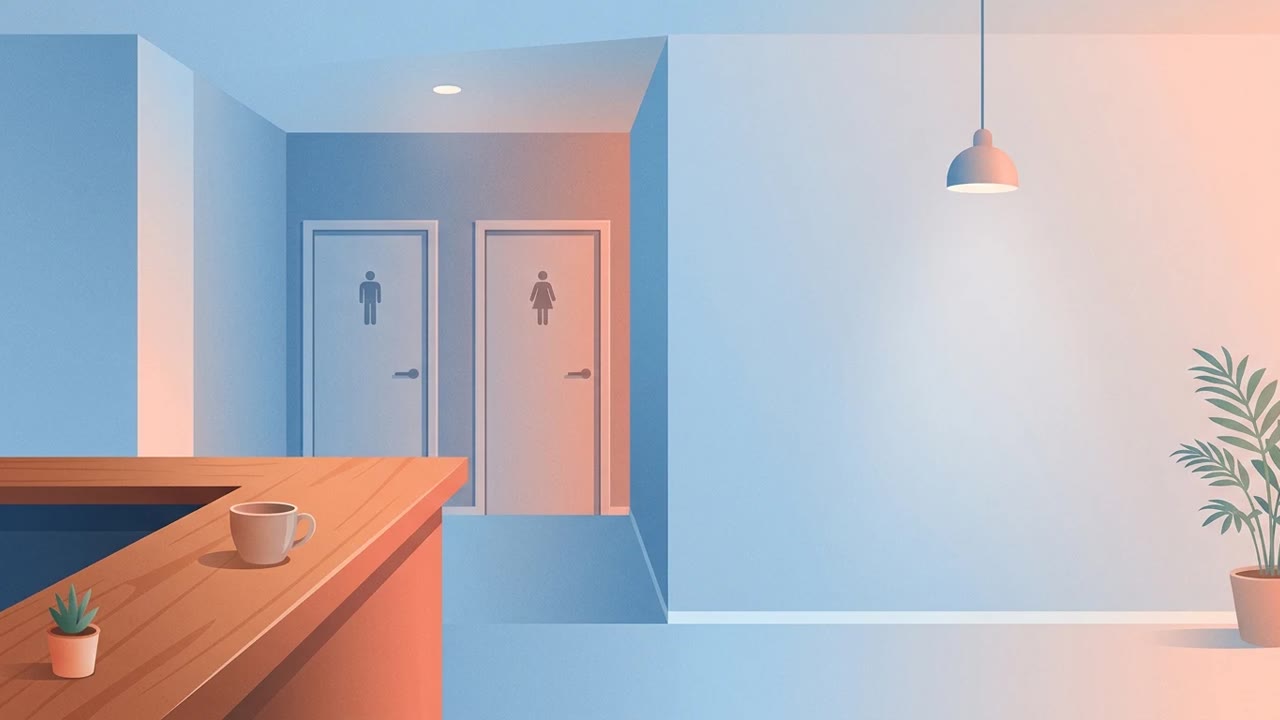
Asking for the bathroom is simple, but the word changes between countries, so it helps to know a few options. The key phrases are “¿Dónde está el baño?” (Where is the bathroom), “¿Hay baños cerca?” (Are there restrooms nearby) and “¿Puede indicármelo en el mapa?” (Can you show me on the map).
- Where is the bathroom?¿Dónde está el baño?DOHN-deh es-TAH el BAH-nyoh
- Are there restrooms nearby?¿Hay baños cerca?EYE BAH-nyohs THEHR-kah
- Excuse mePerdónper-DOHN
- PleasePor favorpor fah-VOR
- Thank youGraciasGRAH-see-ahs
Words and signs to know
- The word for toilet. In Latin America baño is the usual word. In Spain you will also hear aseos or servicios on signs.
- Signs. Hombres or Caballeros is for men and Mujeres or Damas is for women. Señoras and Señores also appear.
- Cafés and bars. Toilets are often for customers, so buying a coffee first is polite. Ask the staff.
- Paid toilets. Some stations and public places charge a small fee, so carry coins.
Finding the toilet
- Where is the bathroom?¿Dónde está el baño?DOHN-deh es-TAH el BAH-nyoh
- Are there restrooms nearby?¿Hay baños cerca?EYE BAH-nyohs THEHR-kah
- Can you show me on the map?¿Puede indicármelo en el mapa?PWEH-deh een-dee-KAHR-meh-loh ehn ehl MAH-pah
- Is this the right way to...?¿Es este el camino correcto a...?es ES-teh el kah-MEE-noh koh-REK-toh ah
- Follow meSígameSEE-gah-meh
When something goes wrong
- The toilet is cloggedEl inodoro está atascadoehl ee-noh-DOH-roh ehs-TAH ah-tahs-KAH-doh
Asking in a café, shop or museum
- May I use the bathroom?¿Puedo usar el baño?PWEH-doh oo-SAHR ehl BAH-nyohPolite and clear everywhere.
- Is the bathroom for customers only?¿El baño es solo para clientes?ehl BAH-nyoh ehs SOH-loh PAH-rah klee-EHN-tehs
- Is there a key?¿Hay llave?eye YAH-behIn small places the key may be at the counter.
- Is there toilet paper?¿Hay papel higiénico?eye pah-PEHL ee-HYEH-nee-koh
- Where are the aseos?¿Dónde están los aseos?DOHN-deh eh-STAHN lohs ah-SEH-ohsCommon in Spain.
A short scene: in a café
- YouPerdone, ¿puedo usar el baño?pehr-DOH-neh PWEH-doh oo-SAHR ehl BAH-nyohExcuse me, may I use the bathroom?
- BaristaEs solo para clientes. ¿Quiere tomar algo?ehs SOH-loh PAH-rah klee-EHN-tehs KYEH-reh toh-MAHR AHL-gohIt is for customers only. Would you like something?
- YouSí, un café, por favor.see oon kah-FEH pohr fah-BORYes, a coffee, please.
- BaristaAl fondo, a la derecha.ahl FOHN-doh ah lah deh-REH-chahAt the back, on the right.
Common mistakes
- Asking for “el cuarto de baño” in a restaurant. It sounds odd. Say el baño.
- Not carrying coins for paid toilets.
- Mixing up Damas and Caballeros. Look for the symbol if you are not sure.
For more, see our how to order food in Spanish and Spanish phrases for travel. All phrases here have audio; ask a native speaker if you need a particular nuance.
Questions travelers ask
How do you ask where the bathroom is in Spanish?
Say "¿Dónde está el baño?" In Spain, "¿Dónde están los aseos?" is also common. Both are understood in every Spanish-speaking country.
Do I have to buy something to use a toilet in a café?
Often yes. Many places keep toilets for customers. Order a drink and then ask the staff, who are usually happy to help.
What do the words on toilet doors mean?
Hombres or Caballeros means men, and Mujeres or Damas means women. If there are only pictures, look for the usual symbols.
More guides
 🇪🇸 SpanishHow Much Is It in Spanish? Prices, Bargaining and PayingHow to ask how much something costs in Spanish with audio: numbers, euro and peso prices, bargaining at markets, paying by card, and receipts.November 12, 2026 · 2 min read
 🇪🇸 SpanishHow to Order Food in Spanish: Tapas, Menú del Día and the BillHow to order food in Spanish with audio: tapas, the menú del día, drinks, allergies and asking for the bill, with tips for Spain and Latin America.November 12, 2026 · 3 min read
 🇪🇸 SpanishHow to Say Hello in Spanish: Hola, Buenos Días and Tú or UstedHow to say hello in Spanish with audio: hola, buenos días, tú or usted, kisses and handshakes, and how greetings differ in Spain and Latin America.November 12, 2026 · 3 min read